Doesn't Take Much
Pride Month is a time for celebration and protest, but it's also become bullying season all over again.

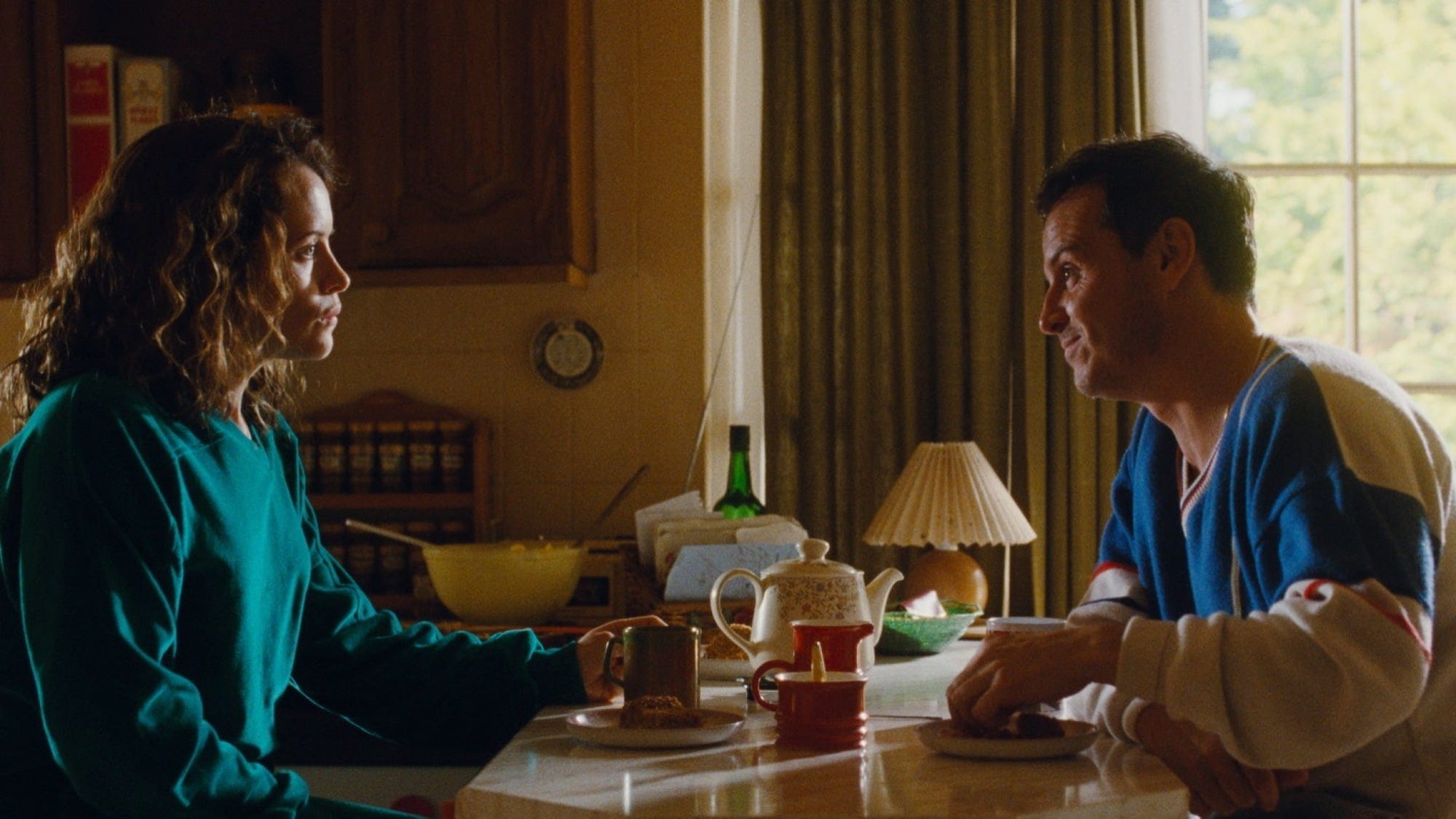
Lately I’ve been thinking a lot about a favorite line of mine from the 2023 film All of Us Strangers. To my mind this movie is the most profound understanding of the trauma experienced by many LGBTQ people. It’s difficult to describe the plot without giving away major aspects but I can tell you that in this fantasy/romance the main character, Adam (brilliantly played by Andrew Scott) discovers that he can still visit his long-dead parents in his childhood home. In essence he gets to come out to them as an adult, even though he will always be twelve to them, the age he was when they died.
When Adam comes out to his mother—who may be a ghost or may just be imagined in his desire to kickstart his writing—she is not as accepting as he would have hoped. She says things like “They say it’s a very lonely kind of life” and “I’m not sure how I feel about it” and “No parent wants to think that about their child, no parent I know.” She died in the mid-1980s and she’s still of the time period’s mindset, as she may very well have stayed even if she had lived. In the moment Adam doesn’t let her know how much she has hurt him, but tears come to his eyes. Later that night he tells Harry, his neighbor and new love interest, “Things are better now. Course they are. But it doesn’t take much to make you feel like you felt back there again, skin all raw.”
No matter how old we get or how much knowledge or confidence we gain, shame can still rear its head on occasion. Pain and trauma linger just under our skin, regardless of how thick it has become. My story of growing up a skinny, bespectled gay boy in a rural Southern town isn’t unique, and you can imagine how often I felt like an outsider in my family, my school, and my community. In my church I felt downright damned. When I was bullied it was usually because I was considered a sissy and/or because of suspicions that I was gay. I was 14 years old at the height of the AIDS crisis in 1986 and there was no worse insult than to call someone gay, no more inflammatory accusation than to say someone might be carrying the disease.
As I write this we’re only four days into Pride Month and already I feel pummeled. After posting a short video on social media showing joyful celebrations at our local Pride festival, I was overwhelmed by hateful, vulgar comments. I would post a picture of them here, as I did on my ephemeral Instagram story, but I don’t want to give them any more power or energy. Suffice it to say they were full of bigotry, vile meanness, and ignorance. The same things I’ve heard all my life, featuring words such as “abomination”, “groomers”, “evil”, “sick”, “sinners”, “repobate minds”, etc. Those are the least vulgar ones.
I can handle being called names. As Generation X children we were taught that sticks and stones could break our bones but names could never hurt us and for the most part I drew strength from that saying. As someone who has been in the public eye for twenty-five years (with most of the years as a politically-outspoken, out-gay liberal Appalachian environmentalist) I know better than to read comments on social media or to pay any attention to direct messages, emails, or letters (although the latter are especially hard for me to ignore or discard). Mostly I roll my eyes or shake my head at the miserable people I encounter this way. Even so, each time I’m called those tried-and-true derogatory names, it registers somewhere in me.
There’s another moment in All of Us Strangers where Adam discusses his childhood with his long-dead father—again, either a figment of his imagination or a ghost; we’re never sure which. His father is sorry for the bigotry he displayed to his son. “You told me not to cross my legs, like a woman, over and over again,” Adam tells him. “I still think about it everytime I cross my legs.”
I certainly felt like my body langauge was always under a microscope as a young person. I learned to box, and grew to love playing and watching basketball. I made sure my wrist was never limp as that was a constant sight gag on television back then, as any gay character was sure to draw big laughs from the studio audience or the canned laugh tracks. I tried to “butch up” my walk, mimicking my father’s swagger. But I especially monitored how I sat, and often failed. This shows up in my recent poetry collection, All These Ghosts, in the third stanza from my poem “Porches, Early 1980s”:
My sister and her boyfriend
are swinging so high their feet
almost touch the cool haint-blue
ceiling. She has torn down a
spider’s web and is teasing
him with it but his gray eyes
are on me. Why’s he set like
that? he asks and she doesn’t
understand so he explains:
Like a girl. And talks like one.
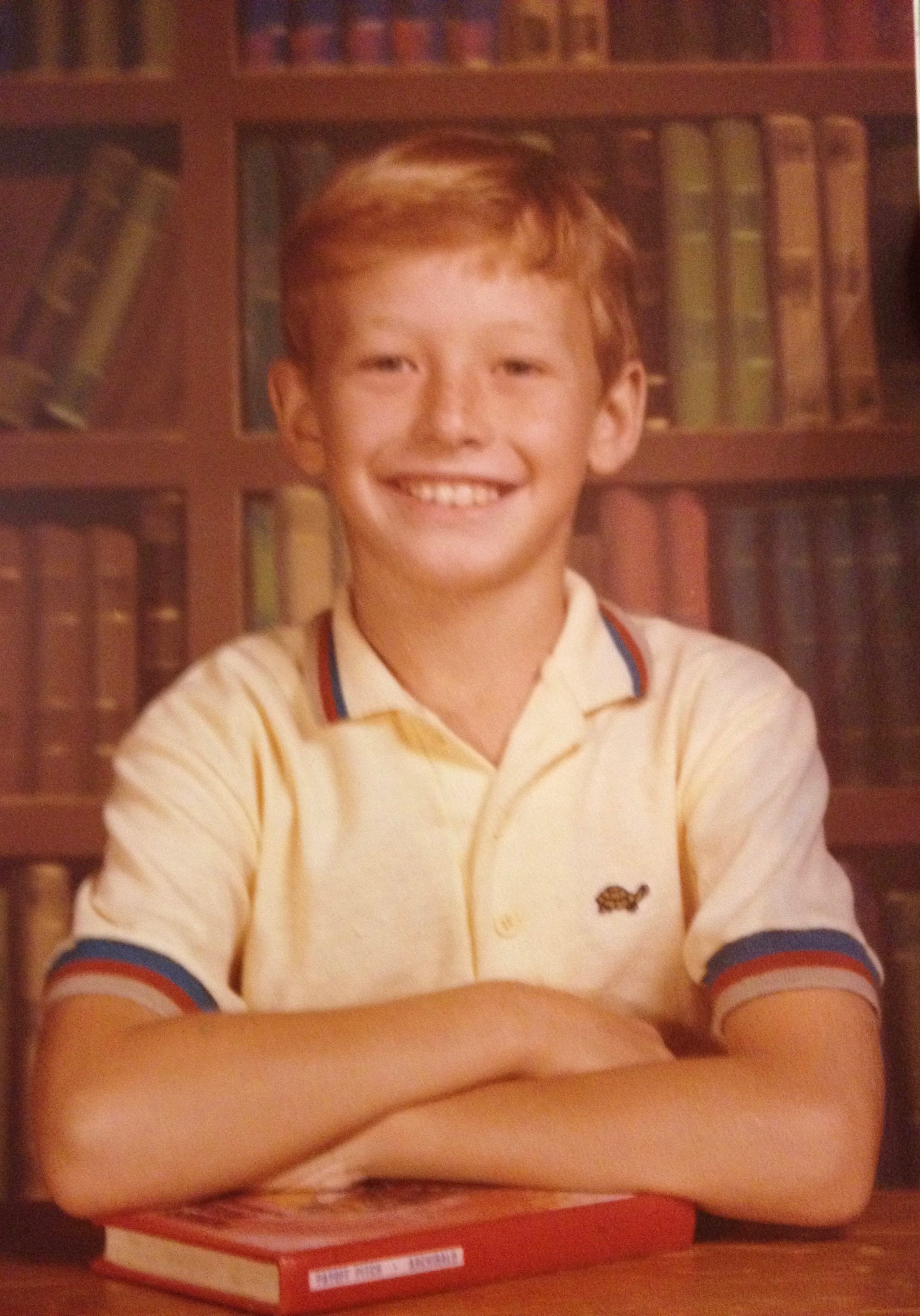
I wrote that poem thirty-some years after that moment. Obviously it stuck with me. The shame. The way his words felt like a punch in my stomach. The way remembering the words right now still make me feel a little sick.
I felt the same way when I saw my social media timelines full of hatred and disgust for Pride Month over the last few days. I felt the same way when I saw that a sitting member of Congress, Andy Ogles (R-Tennessee) tweeted “Homosexuality has no place in America” and “Happy Nuclear Family Month” only one day into Pride this year. He deleted the post after the outraged reaction but did not say he didn’t actually believe this, or apologize for it. He was only expressing what so many people feel, after all. This is only the latest blatantly homophobic statement by people in the highest halls of power in our country. I could easily list dozens more. My point is that it never ends.
My point is also that it’s getting worse. That’s not just my opinion; statistics prove it too. A recent Gallup poll showed that public support for marriage equality in this country is down six percentage points in the last three years. I believe the reason why is because the leadership in this country is constantly encouraging bigotry and vitriol. Pride, for many people, including allies, is a time of both celebration and protest, but it has increasingly become a time for the bullies to get louder.
I don’t bring any of this up for a pity party, and I never want to be part of any kind of suffering Olympics. Perhaps I am bringing it up simply to say that All of Us Strangers is one of my favorite movies because it is resonates so deeply with me. Not only as a gay film but as one that is about the way we are defined by our parents, whether we want to be or not, and how many of us only come to understand them better once we are older.
But maybe I’m writing this because I want more people to understand that Pride is still needed because there are still people being shunned, negated, belittled, abused and even killed for being LGBTQ. Pride is still needed because so many of us are unable to feel safe when we walk down the street and hold the hand of the person we love. Pride is still needed because some child is having to watch how they sit out of fear that they will be mistreated or made fun of. Pride is still needed because the bullies are still bullying, and they’re doing it more often than they did even a year ago. If you love an LGBTQ person, don’t just tell them. Show them. By standing up for them in every way you can.
-end-
You can watch All of Us Strangers for free on Tubi or stream it at any streaming service.
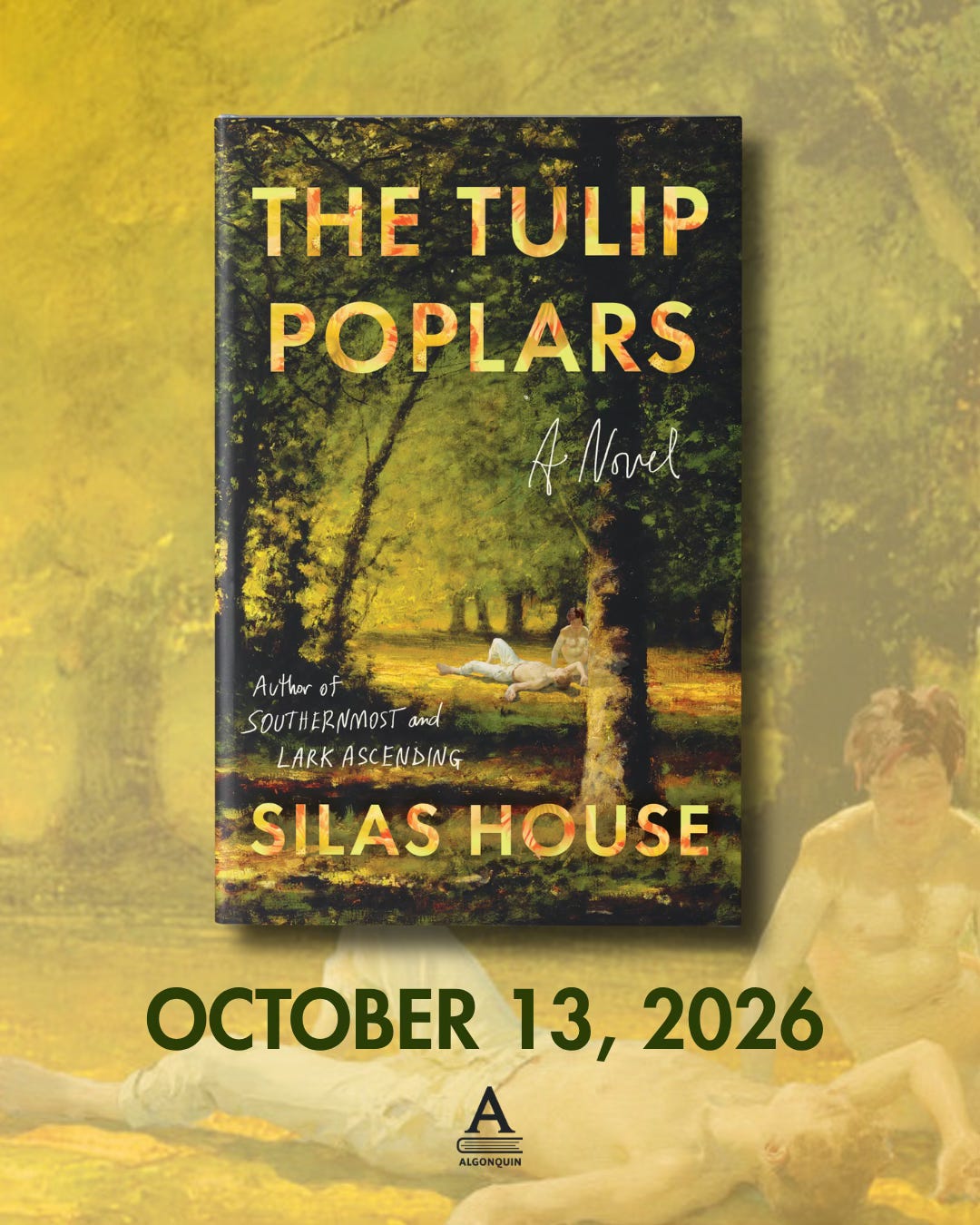
My forthcoming novel, The Tulip Poplars, is a sweeping romance set from 1918 to 1976, centering on a gay couple and an interracial couple who do everything they can to be with the person they love in a time when the law, and the whole world, is telling them they should not be. It’s also about a piece of land that keeps drawing them back home, no matter where they roam. The Tulip Poplars comes out October 13 and you can pre-order it here. One of the reasons I wrote it is because of the rare romance I witnessed in All of Us Strangers.
On behalf of all the Southern, bespectacled sissy boys, thanks for writing this. The story of the homophobic, greedy, gluttonous 1980s is also a story of fighting, resistance, and collaboration. We won then and we will win again .
We can see what happens when people are driven by fear--our country is under this spell right now and we are weakening by the day. What if we all knew that we could learn and benefit from each other's gifts. Life would be so much richer. Thank you, Silas, for all that you do in making this richness apparent.